
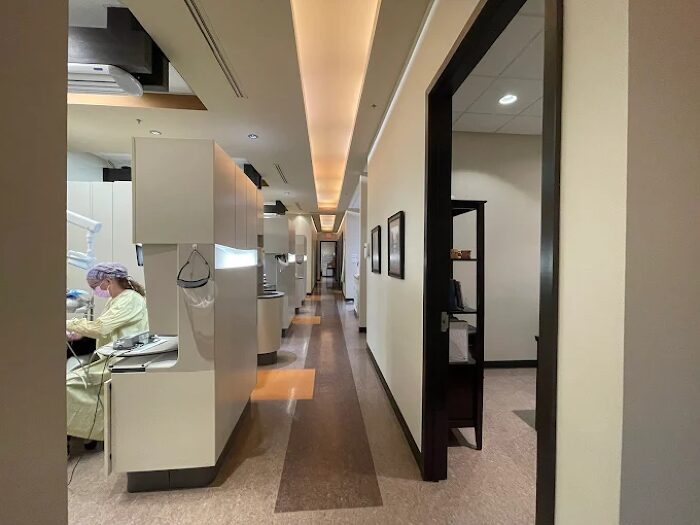
Diagnostic Services
Oral Cancer Screenings
Quick, painless screenings to detect early signs of oral cancer.
What is an oral cancer screening?
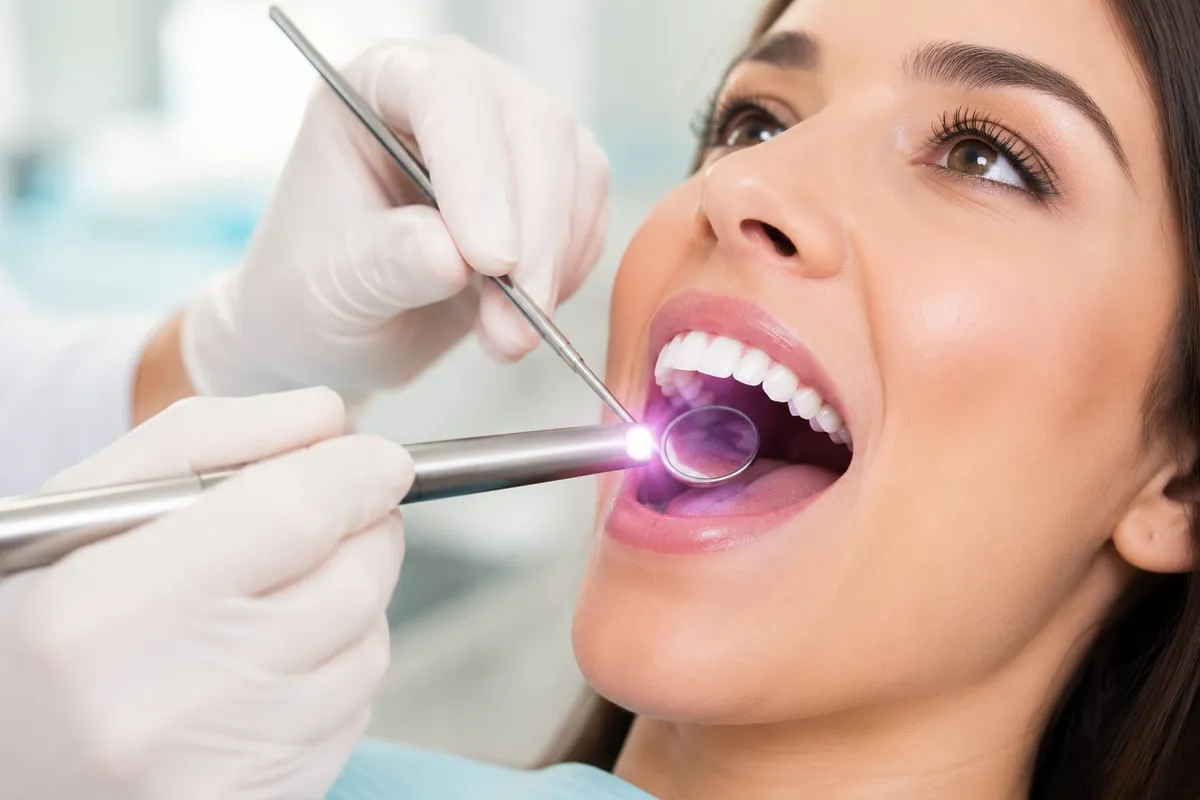
An oral cancer screening is a visual and physical exam of the mouth, lips, tongue, floor of the mouth, cheeks, gums, throat, and surrounding tissues. During a routine dental exam, the dentist looks and feels for any unusual sores, lesions, lumps, or tissue changes that might need a closer look.
The exam takes only a few minutes and causes no discomfort. No special equipment or preparation is needed. It is simply part of a thorough dental visit, so you do not need to request it separately. It is included in every comprehensive exam at the office, including routine checkups.
Why early detection matters
Oral cancer, which includes cancers of the lips, tongue, cheeks, floor of the mouth, hard and soft palate, sinuses, and throat, can be life-threatening if it is not diagnosed and treated early. When it is found at an early stage, outcomes are considerably more favourable than when it is found after it has spread.
Many oral lesions and tissue changes are benign. But because the mouth is not always easy to examine on your own, and because some changes are subtle at first, a professional exam at each dental visit adds an important layer of monitoring.
Risk factors to be aware of
Oral cancer can occur in anyone, but certain factors are linked with higher risk. Having one does not mean you will develop oral cancer. It simply makes regular screening an even more important part of your dental care.
- Tobacco use in any form, including smoking and chewing tobacco
- Heavy alcohol use, particularly combined with tobacco
- Prolonged or unprotected sun exposure to the lips
- Certain strains of the human papillomavirus (HPV)
- A previous history of oral cancer
- Age: risk increases with age, though oral cancer can occur at any stage of life
What happens if something is found?
If the dentist notices anything unusual during the screening, they will talk it through with you clearly and calmly. Most findings are not cancer. Many are common, benign conditions such as canker sores or irritation from a denture.
Depending on what is seen, the dentist may recommend watching the area and checking it at a follow-up appointment, or may refer you to an appropriate specialist for further assessment. The next steps will always be explained, and you will have the chance to ask questions before deciding what to do.
Between visits
If you notice a sore, lump, or tissue change in your mouth that does not heal within two weeks, call the office at 780-432-3430 to arrange an exam. You do not need to wait for your next scheduled appointment. Early attention to unusual changes is always worthwhile.
Ready to Book?
Call us or book an appointment online. New patients are welcome.
Book Appointment 780-432-3430