
Cosmetic Dentistry
Porcelain Veneers
Thin shells placed on teeth to improve appearance.
What are porcelain veneers?
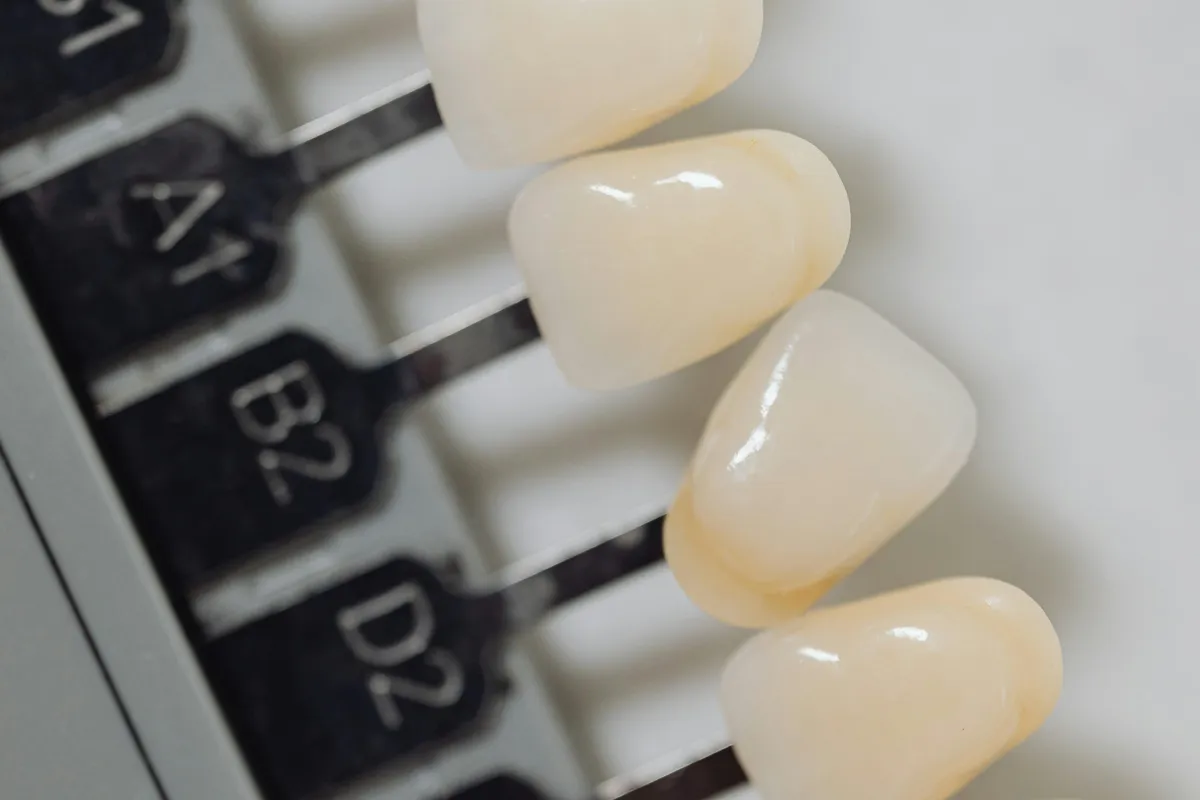
Porcelain veneers are thin, custom-made shells of dental porcelain bonded to the front surface of teeth. They can change a tooth's colour, shape, and size, which makes them a versatile option for addressing several cosmetic concerns at once in a relatively conservative way. Porcelain closely mimics the way natural enamel reflects light, which is why it is commonly used for this purpose.
Common uses
Veneers are typically considered for:
- Discolouration that does not respond well to whitening, including intrinsic staining
- Chipped or worn teeth where the shape has changed over time
- Minor gaps between teeth, or slight misalignment where orthodontics may not be the preferred approach
- Uneven tooth size or shape that affects the overall look of the smile
The procedure
Getting porcelain veneers usually involves two or three appointments:
Consultation
The dentist assesses your teeth and talks through your goals. X-rays may be taken to confirm the health of the teeth to be treated. You will discuss what you can realistically expect from veneers and whether they suit your situation.
Tooth preparation
A small amount of enamel, usually less than a millimetre, is removed from the front of each tooth so the veneer can sit flush. This step is irreversible, which is an important consideration when deciding whether to proceed. Impressions or digital scans are taken, and temporary veneers may be placed while the permanent ones are made in a dental laboratory.
Bonding appointment
The permanent veneers are checked for fit and colour, then bonded to the prepared teeth with dental cement and cured with a light. Small adjustments to the fit and bite are made before you leave.
Longevity and care
With proper care, porcelain veneers can last many years. To protect them:
- Avoid biting very hard objects (ice, pen caps, hard candy) directly with veneered teeth
- Brush and floss as normal. Porcelain resists staining, but the surrounding gum tissue still needs care
- If you grind or clench your teeth (bruxism), a night guard is often recommended, since grinding can crack or wear veneers over time
- Keep up with regular checkups so the dentist can monitor the condition of the veneers
When veneers may not be appropriate
Veneers are not suitable for everyone. They may not be recommended if you have significant misalignment (orthodontics may be a better approach), not enough enamel left on the tooth, active gum disease or decay, or severe grinding or clenching without a plan to protect the teeth. The dentist will assess these factors at your consultation.
Ready to Book?
Call us or book an appointment online. New patients are welcome.
Book Appointment 780-432-3430